

The sophomore album “The Language of Fishermen” is out now through Victory Pool Records.

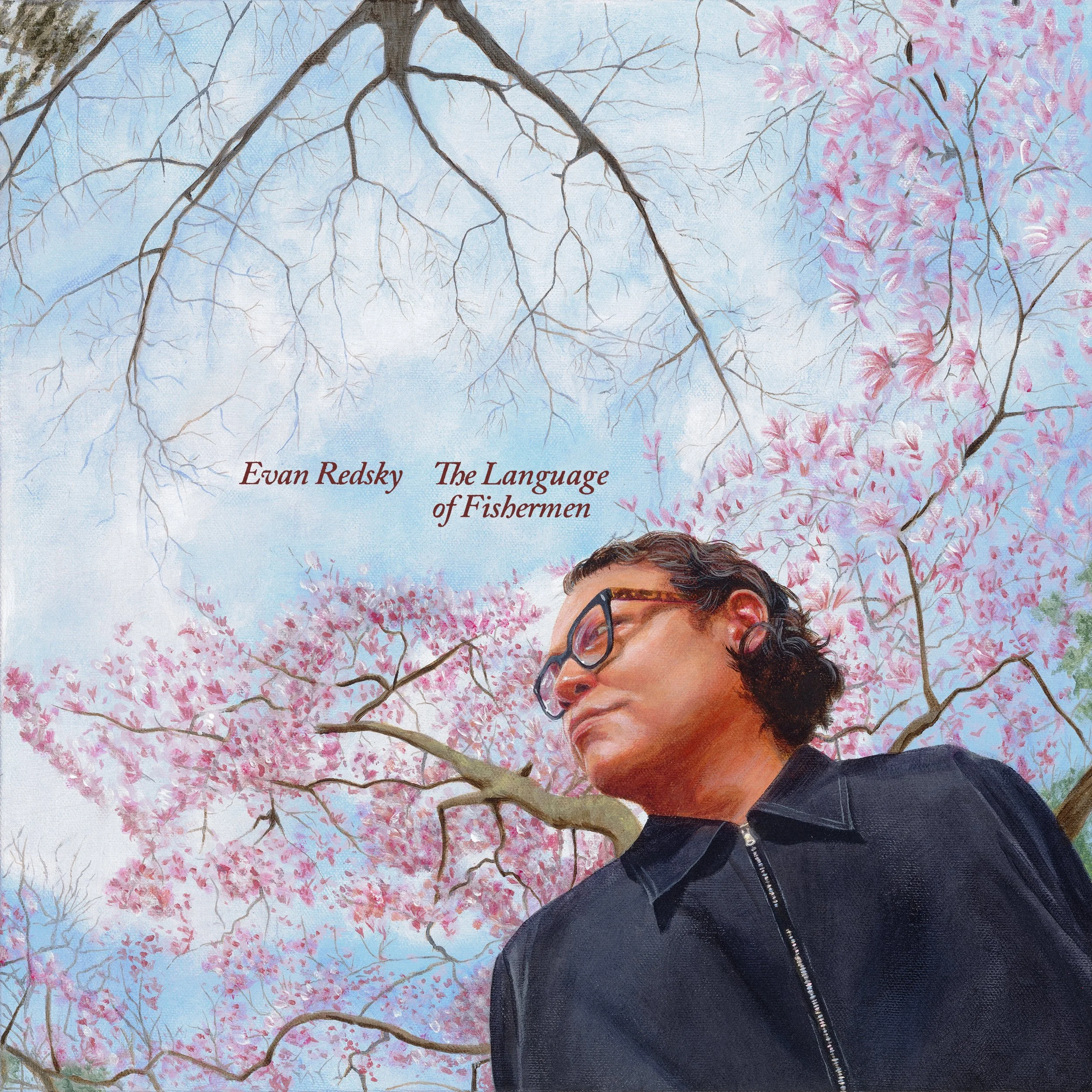





On The Language of Fishermen punk-rocker / folk storyteller Evan Redsky embodies and relays an array of Indigenous stories and perspectives in order to better understand his own. This steady-footed and thoughtful record sees Redsky reclaiming the music of his childhood—the country heroes playing on his grandma’s car radio, like Patsy Cline, Hank Williams, and Blue Rodeo—to tell vulnerable stories of longing and resilience.
Growing up in the First Nations Reserve of Mississaugi First Nation in Blind River, Ontario, Redsky was often compelled to hitchhike to Toronto to immerse himself in the city’s burgeoning punk and hardcore music scene. Redsky recalls sleeping under bridges and on construction sites, dedicated to making music happen. At 19 years old, Redsky started performing with punk outfit Single Mothers, going on to perform with the Juno-nominated group everywhere from local clubs to Primavera Sound to the Pitchfork Music Festival. However, as the group saw increasing success, Redsky felt more and more empowered to explore other musical paths and tell his own stories.
These days, it’s tough to keep up with all of Redsky’s eclectic projects. He’s a member of “Turtle Island Hardcore” band Indian Giver; he performs with Juno nominated folk-rock duo Altameda, indie group Squash Blossoms; he plays bass with groups like country ensemble Nicolette and the Nobodies. A stalwart of the Toronto scene, Redsky’s commitment to collaboration is evident in his impressive musicianship and impassioned songwriting, as he showcased on his debut solo album, 2022’s Oblivion.
Seeking inspiration for this new record, Redsky happened upon the works of celebrated Ojibwe author Richard Wagamese. Many of the songs on The Language of Fishermen were inspired by Wagamese’s stories, especially those from his autobiographical book One Native Life. Redsky, like Wagamese, is Anishinabek, and the two share the experience of growing up in the bush, on reserve, and navigating between cultural worlds. Between honouring Wagamese’s words and sharing his own reflections, Redsky’s The Language of Fishermen contains a lifetime of feeling—including honouring the often overlooked positive moments of simplicity and fulfillment.
“Contemporary Indigenous life experience doesn’t have to be rooted in trauma,” Redsky explains. “The little moments we experience, and the land we come from, are rich with inspiration.”
This soft, reflective state is captured on the song “Language of Fisherman,” as the crew on the boat in the middle of the lake share “a smile, a nod, to the mystery of the land” as “The loons and shorebirds sang their songs.” Album opener “Watching” (also inspired by Wagamese) conjures this sense of peace in everyday life, as a “foster kid from the fly-ins” learns by observation and comes to the conclusion: “If love and work is enough for them / It’s good enough for me.”
Redsky’s desire to share these stories can be traced to his prominent lineage of storytellers within his community. Notably, his great-grandfather, James Redsky, whose book The Great Leader of The Ojibway was published by the University of Toronto in the early 1970s. James Redsky was a prominent member of the spiritual group known as the Midewiwin and was one of the last people to possess ancient birch bark scrolls depicting centuries-old etchings that informed the community of much of their pre-colonial history.
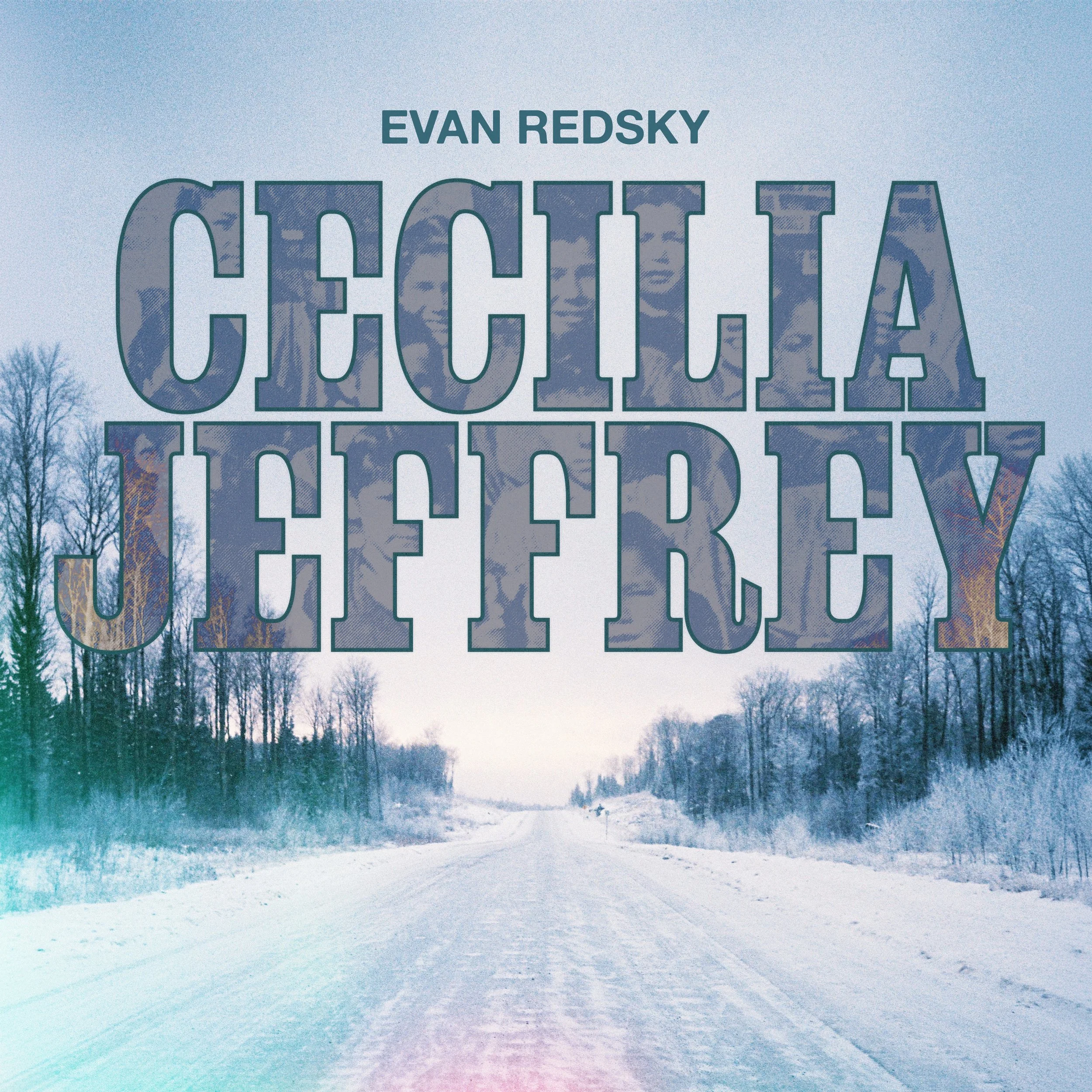
Redsky’s great-grandfather was also involved in building the Cecilia Jeffrey Residential School in Kenora, ON as a child (the same residential school Redsky’s father and grandfather attended). Redsky reckons this chapter of his family history on the song “Cecelia Jeffrey,” in which a personified Cecelia “took me by the hand / a slow dance through the past.” With details like “I tried to scrub the colour from my arms,” the song acknowledges how much more there is to the history of this residential school than could be contained in “some old book written by men,” in the remaining documents from the institution’s decades of abuse. Redsky invokes a more nuanced story than can ever be held within the official narrative, tinged by voices that did not live long enough to be properly documented, who could not sing their own struggles.
The openness and sincerity that abounds on The Language of Fishermen was made possible by the deep connection and trust of its musicians. For the recording sessions at Dreamhouse Studios in downtown Toronto, Redsky brought in the “best friends and best players” he knew, including Matt Kelly (City and Colour), Troy Snaterse and Erik Grice (of Altameda), and John Dinsmore (Sarah Harmer, Bahamas), Peter Landi (Weird Nightmare, Julianna Riolino), Julian Psihogios (Wild Rivers) arranging and recording live off the floor. The resultant sound is crisp and inviting, with humming organ, pedal steel, and piano licks expanding around Redsky’s distinctive, silvery voice.
On album closer “Am I Allowed to Heal,” Redsky turns the camera directly on himself. The stories of trauma, recovery, and peace-making that linger across this album, this final track is as bold and direct in its message as in its raucous arrangement, harkening back to Redsky’s punk roots.
The theme of healing—and questioning if, when, and how healing can be accomplished—comes from Redsky’s own journey in the past few years. Through meditation, sobriety, and music, “The healing journey is constantly transforming,” Redsky says. But having known many Indigenous people who need permission to forgive themselves, and allow the healing process to begin, this song feels boldly overt, honest.
A couple decades into making music, with many more stretching out ahead, Redsky’s story is one of staying committed over the years, trusting the process, and trusting himself. Like the rolling highways Redsky sings of the song, “Northern Road,” with a “starry night beyond those headlights that could go on forever,” Redsky’s journey goes on.
"...an unfeigned country ballad about his indigenous bloodline and life on the reserve...an allusion to the residential-school system and its effects on his kin. Warm acoustic tones are cut with Redsky’s sandy drawl...a record showcasing a rugged sound that’s interspersed with whining lap steel and palatable twang."
“Though the songs' content is rooted in Redsky's Indigenous heritage, the sound is pure Americana, equal parts Springsteen and Petty...”
- CBC